
Prevention of Cervical Cancer
Women can take several steps to reduce their risk of developing cervical cancer:
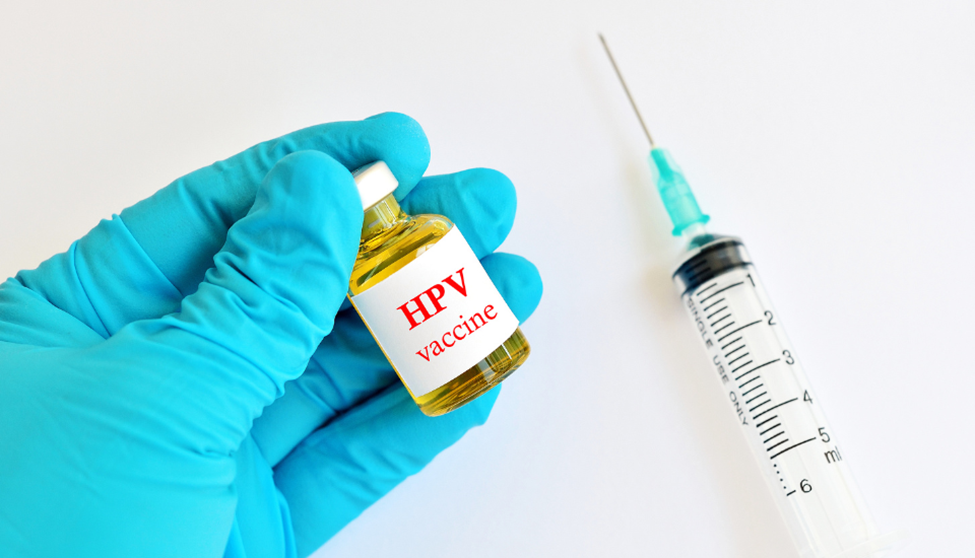
1. HPV Vaccination
Get vaccinated: The HPV vaccine protects against the most common cancer-causing HPV types. It is recommended for preteens but can be given up to age 45.
2. Regular Screening
Pap Smear: Women should begin Pap tests at age 21 and repeat them every three years until age 29.
HPV Testing: From age 30 onward, women may choose co-testing (Pap + HPV test) every five years or a Pap test alone every three years.
3. Adopt a Healthy Lifestyle
Quit smoking: Smoking is a major risk factor for cervical cancer.
Eat a balanced diet: Include plenty of fruits, vegetables, and whole grains to boost your immune system.
Exercise regularly: Maintain a healthy weight through physical activity.

4. Practice Safe Sex
Use condoms: While not 100% effective, condoms can lower the risk of HPV transmission.
Limit sexual partners: Reducing the number of partners decreases the likelihood of HPV infection.
5. Regular Medical Checkups
Stay proactive: Regular visits and screening tests help detect problems early.
6. Awareness and Education
Stay informed: Understanding the risks and preventive measures empowers women to take control of their health.
By following these guidelines, you can significantly reduce your risk of developing cervical cancer.
If you are diagnosed with cervical cancer, remain calm and informed. Cervical cancer is preventable and treatable. Maintaining a rational mindset and choosing a professional cervical cancer care team will ensure comprehensive diagnosis, treatment planning, and personalized care.